Florida’s No-Fault Insurance Laws and Your Motorcycle Accident Claim
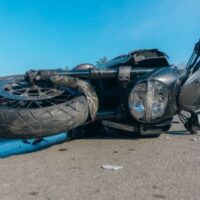
Often drivers are familiar with the state’s no-fault insurance laws and Personal Injury Protection (PIP) coverage, but those rules apply very differently to motorcycle accidents. Understanding how Florida’s no-fault framework affects a motorcycle accident claim and partnering with a Port St. Lucie Personal Injury Lawyer early on is critical to protecting the right to compensation after a crash.
Why PIP Does Not Cover Motorcycle Accidents
Florida operates under a no-fault insurance model for most motor vehicle accidents. Under this system, drivers are generally required to carry PIP insurance, which covers a portion of their medical expenses and lost wages regardless of who caused the accident. In exchange, drivers are limited in their ability to sue the at-fault party unless their injuries meet certain statutory thresholds.
However, motorcycles are treated differently under Florida law. Standard PIP coverage does not apply to motorcycles, and riders are not required to carry PIP insurance. This distinction has significant consequences when a motorcycle accident occurs.
Because motorcycles are excluded from Florida’s PIP requirements, injured riders cannot rely on their own insurance to automatically cover medical bills and lost income. Instead, compensation is typically pursued through a claim against the at-fault driver’s bodily injury liability insurance or through a personal injury lawsuit.
This lack of no-fault coverage often places motorcyclists at a disadvantage immediately after an accident. Medical expenses can accumulate quickly, and riders may face delays in payment while fault is investigated and liability claims are processed.
How Fault and Liability Work in Motorcycle Claims
Since no-fault restrictions do not apply, motorcycle accident claims in Florida are generally fault-based from the outset. Injured riders may seek compensation for the full scope of their damages, including medical expenses, lost wages, reduced earning capacity, pain and suffering, and future care needs.
Florida’s comparative negligence rules may still apply, so compensation can be reduced if the rider is found partially at fault. Insurance companies often attempt to shift blame onto motorcyclists by citing visibility, speed, or riding behavior. Strong evidence and legal advocacy are typically necessary to counter these arguments.
In some cases, uninsured or underinsured motorist (UM/UIM) coverage may be available if the at-fault driver lacks sufficient insurance. Riders who carry medical payments coverage or health insurance may also rely on those policies while a liability claim is pending, though reimbursement issues can arise later.
Motorcycle accident claims involve unique legal and insurance challenges, particularly within Florida’s no-fault framework. A Port St. Lucie Personal Injury Lawyer can identify all available sources of compensation, handle communications with insurers, and build a strong liability case against the at-fault party. With knowledge of how Florida’s no-fault laws intersect with motorcycle accidents, injured riders are better positioned to pursue the full and fair recovery they deserve.
Is it time for you to fight for the settlement you need to heal from a motorcycle accident injury? Connect with the attorneys at Leifer & Ramirez after a motorcycle accident in Port St. Lucie, Fort Pierce, Stuart, or Vero Beach. Call 561-660-9421 to book a confidential consultation.