Category Archives: Car Accident

The Complexities of Multi-Vehicle Chain-Reaction Crashes
A rear-end collision involving two vehicles can be complicated enough. Add a third, fourth, or fifth vehicle, and determining what happened can become much more difficult. Chain-reaction crashes are particularly challenging because one driver’s actions can trigger a sequence of collisions involving several people. Then, determining fault may require more than simply asking which… Read More »

Tips for Taking Strong Car Accident Photographs
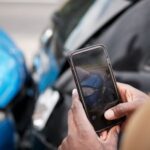
In the moments after a car accident, emotions tend to run high. People are shaken up, trying to exchange information, checking for injuries, and figuring out what to do next. But if it is safe to do so, taking photographs at the scene can become incredibly important later. Strong accident photos preserve details that… Read More »

Financial Stress During Recovery After a Collision
A car accident can change life in an instant. One moment you are commuting to work, running errands, or heading to the beach, and the next you are dealing with injuries, medical appointments, vehicle repairs, and insurance calls. For many people, a difficult part of recovery is not just the physical pain, it is… Read More »

Spills in the Car and Distraction Risks
Spills, both on the roadway and inside a vehicle, can create surprising collision risks that drivers may underestimate. From slippery oil slicks on busy roads to spilled coffee inside a moving car, small moments of distraction or loss of control can lead to serious accidents and injuries. After a collision, a Port St. Lucie… Read More »

Can Vehicle Safety Features Hurt Your Injury Claim?
Modern vehicles are equipped with more safety technology than ever before. While these advancements have undoubtedly improved road safety, they can also introduce unexpected complications after a collision. Insurance companies may attempt to use the presence of safety features as part of their defense strategy. Victims may find themselves facing arguments that the technology… Read More »

The Growing Role of Cell Phone Forensics in Car Accident Cases
Distracted driving remains one of the leading causes of car accidents throughout Florida. Navigation apps, social media platforms, streaming services, and even vehicle-connected smartphone features can divert a driver’s attention from the road. As technology has evolved, cell phone forensics has become an increasingly important tool in injury cases. Digital evidence can provide valuable… Read More »
The Hidden Battle Over Vehicle Data After a Florida Crash
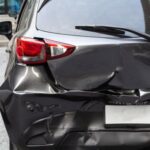
Visible evidence, such as vehicle damage, skid marks, witness statements, and police reports are top of mind when filing an injury claim. But what many drivers don’t realize is that some of the most important evidence may be hidden inside the vehicles themselves. Modern vehicles are equipped with sophisticated electronic systems that continuously record… Read More »

Why Low-Speed Collisions Can Lead to High-Dollar Injury Claims
When people hear about a serious crash, they picture crushed vehicles, airbags deployed throughout the cabin, and emergency responders rushing to the scene. Yet some significant injury claims arise from crashes that occur at relatively low speeds and leave only minor visible damage. Insurance companies frequently point to minimal vehicle damage as evidence that… Read More »

Does It Matter If the Rideshare Accident Involved an Uber or a Lyft?
Should you be injured in a rideshare accident, you may wonder whether it matters if the vehicle was an Uber or a Lyft. From a legal standpoint, both companies operate under similar frameworks, but the details of insurance coverage and how claims are handled can still impact your financial recovery. Whatever company is involved,… Read More »

Is It More Common to Be Involved in a Car Collision After Dark?
As the sun sets, the risks on the road can increase significantly. Many drivers wonder whether car accidents are actually more common after dark. The short answer is yes. While fewer cars may be on the road at night, the likelihood of collisions often rises. A Port St. Lucie Personal Injury Lawyer can guide… Read More »