Why Low-Speed Collisions Can Cause Spinal Injuries
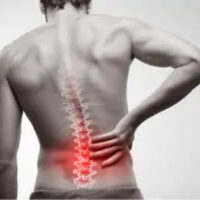
Many people assume that serious spinal injuries only occur in high-speed crashes. In reality, low-speed collisions, such as rear-end accidents in traffic or minor intersection impacts, can cause significant spinal damage. For accident victims in Boca Raton, these injuries are often overlooked or underestimated, leading to delayed treatment and challenges when pursuing compensation. Working with a seasoned Port St. Lucie Personal Injury Lawyer is key.
Common Types of Spinal Injuries in Low-Impact Crashes
Even at low speeds, the human spine is vulnerable to sudden forces. A quick jolt can cause the neck or back to move beyond its normal range of motion, resulting in damage to muscles, ligaments, discs, and nerves. Common scenarios include stop-and-go traffic accidents, parking lot collisions, and fender benders where vehicles appear to sustain minimal damage.
Modern vehicles are designed to absorb impact, which can reduce visible damage but still transmit force to occupants’ bodies. The absence of significant vehicle damage does not mean the body escaped harm, particularly when it comes to the spine.
Low-speed collisions frequently result in soft tissue injuries such as cervical or lumbar strains and sprains. More serious conditions can also develop, including herniated or bulging discs, nerve impingement, and facet joint injuries. In some cases, trauma can aggravate pre-existing degenerative conditions, leading to chronic pain or mobility limitations that did not exist before the crash.
Symptoms may not appear immediately. Pain, stiffness, numbness, or tingling can develop days or even weeks after the accident, which often leads insurers to question the severity or cause of the injury.
Insurance Company Tactics and Claim Challenges
Insurance companies routinely downplay spinal injuries from low-speed crashes, arguing that the impact was too minor to cause real harm. They may rely on photographs of minimal vehicle damage or low repair estimates to dispute medical findings. This approach ignores well-established medical evidence that injury severity does not always correlate with crash speed or vehicle damage.
Claimants may also face scrutiny regarding delayed treatment or gaps in care. Insurers often use these issues to suggest that injuries are exaggerated or unrelated, even when symptoms evolved naturally over time.
Prompt and consistent medical care is essential following any collision, regardless of speed. Diagnostic imaging, physician evaluations, and detailed treatment records help establish the connection between the accident and the spinal injury. Medical opinions explaining how low-speed trauma caused or worsened a condition are particularly important when liability is contested.
Spinal injury claims require careful handling, especially when insurers attempt to minimize low-speed accidents. A Port St. Lucie Personal Injury Lawyer can challenge insurance narratives that undermine legitimate claims. By presenting a clear picture of how a crash that was not catastrophic still caused significant spinal harm, an attorney helps injured individuals pursue compensation that reflects the true impact of their injuries on daily life and future health.
Need monetary support following a low-speed collision? Talk to the attorneys at Leifer & Ramirez. Following an accident injury in Port St. Lucie, Fort Pierce, Stuart, or Vero Beach, call 561-660-9421 to schedule a confidential consultation.