Uber & Lyft Victims Can Access Funds for Bills and Losses
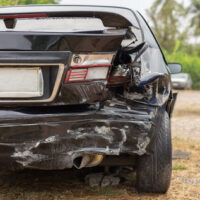
Expenses garnered in rideshare collisions create a distinctive insurance landscape. Whether you were a passenger, another motorist, a bicyclist, or a pedestrian, the path to payment for medical care and other losses depends on who was driving, the driver’s app status at the time, and available insurance layers.
First steps that protect both health and a claim include getting medical care immediately, calling the police, and preserving evidence. Timely records are often the single most important factor in establishing causation and damages. Have a conversation with a Port St. Lucie Personal Injury Lawyer about how legal and medical records form the foundation for every compensation route.
Emerging Liability Issues and Coverage Layers
When it comes to rideshare accidents, who is responsible can be a complicated thing to determine. For instance, recent litigation and academic studies have raised claims that rideshare app design can encourage risky driving by creating tight time windows and distracting drivers with in-app prompts. There have been lawsuit plaintiffs who have asserted and the app’s functionality contributed to chronically distracted driving. While these cases are still developing, they illustrate a potential avenue for broader liability claims.
While some cases are more nuanced than others, all parties seeking compensation after a rideshare accident will likely pursue a settlement from one of the following.
- Driver’s personal insurance. If the driver’s app was off, their personal auto policy applies. If that policy accepts liability, it can cover injuries to others.
- Rideshare company coverage. Uber and Lyft carry contingent commercial policies that have varying coverage, essentially depending on whether the driver was logged into the app at the time of the collision.
- Personal health insurance / PIP / MedPay. In Florida, Personal Injury Protection (PIP) historically covered medical costs regardless of fault. That said, the statutory landscape has recently changed and continues to evolve and other payment sources such as MedPay, personal health insurance, or workers’ compensation may also be available depending on circumstances.
- Uninsured/underinsured motorist and third-party claims. If the rideshare driver or another motorist is at fault but lacks sufficient insurance, UM/UIM policies or a lawsuit against the at-fault driver (and in limited cases the rideshare company) may be necessary to cover a range of damages.
Rideshare claims are complex and time-sensitive. Prompt documentation and informed legal guidance significantly increases the chances of you recovering the funds you need.
Keep Every Record and Report the Crash
Complete documentation is necessary to secure financial relief. Notify your insurers too, but avoid detailed recorded statements until you consult counsel. An experienced Port St. Lucie Personal Injury Lawyer can identify the correct insurance layer, preserve evidence, and pursue full compensation for medical expenses, lost income, and non-economic losses.
Why are you struggling to get the financial support you need after a rideshare crash in Port St. Lucie, Fort Pierce, Stuart, or Vero Beach? Prompt documentation and informed legal guidance from the attorneys at Leifer & Ramirez will help you connect with monetary support to rebuild your life. Call 561-660-9421 to schedule a confidential consultation today.