The Medical-Legal Impact of Compensatory Movement Patterns
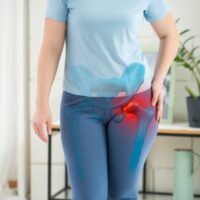
Focusing on a primary diagnosis can be key to healing following a Florida traffic accident. Yet there may be long-term consequences of trauma that are less obvious, such as compensatory movement patterns.
The reality is that altered biomechanics can affect both your physical recovery and the value of your personal injury claim. If you are experiencing spreading pain, stiffness, or functional limitations after an accident, have a conversation with a Port St. Lucie Personal Injury Lawyer.
What Are Compensatory Movement Patterns?
Compensatory movement patterns develop when the body adapts to pain, weakness, or instability. Instead of using an injured structure normally, surrounding muscles and joints adjust to protect the damaged area.
For example, after a knee injury, you may unconsciously shift weight to the opposite leg. Or, following a shoulder injury, you may rotate your torso differently to reach overhead. Neck pain after a rear-end collision may lead to restricted head movement and increased upper back strain, too.
Initially, compensation may help to reduce discomfort. Over time, however, it can create new musculoskeletal stress and secondary injuries.
Why Do These Patterns Matter?
In accident cases along busy corridors such as Interstate 95 or Glades Road, the forces involved in collisions can disrupt normal neuromuscular coordination. Even soft tissue injuries can alter movement mechanics.
If compensatory patterns persist, they may lead to:
- Opposite-side joint pain
- Hip or lower back strain
- Chronic muscle tightness
- Reduced range of motion
- Degenerative changes over time
For instance, favoring one leg after an ankle injury may eventually cause hip misalignment or lumbar spine pain. What began as a localized injury can evolve into a more complex orthopedic condition. Early intervention, such as physical therapy, corrective exercise, and neuromuscular retraining, is critical to restoring proper biomechanics and preventing long-term complications.
From a legal standpoint, compensatory movement patterns can complicate causation analysis. Insurance companies often argue that new areas of pain appearing months after an accident are unrelated or caused by pre-existing conditions.
However, medical science supports the predictable chain reaction that occurs when the body compensates for injury. Altered gait mechanics, muscle guarding, and biomechanical imbalance are well-documented consequences of trauma.
To strengthen a claim, medical documentation should include objective range-of-motion measurements, observations of gait abnormalities, imaging studies, and functional movement assessments. These records help establish that secondary pain or dysfunction is a direct and foreseeable result of the original accident.
A comprehensive medical-legal approach ensures that the full extent of your injuries is evaluated, not just the initial diagnosis. Compensatory movement patterns can increase the scope of recoverable damages.
A seasoned Port St. Lucie Personal Injury Lawyer understands how biomechanics intersect with legal standards of proof. Proper medical documentation can make a meaningful difference in both securing fair compensation and supporting your long-term recovery.
Has your recovery been complicated by a new health issue? You may be experiencing pain due to compensatory movement patterns. If you live in Port St. Lucie, Fort Pierce, Stuart, or Vero Beach, lean on the expertise of the skilled attorneys at Leifer & Ramirez. Call 561-660-9421 to schedule a confidential consultation.