In-Car Technology Risks and When Tech Use Becomes Distracted Driving
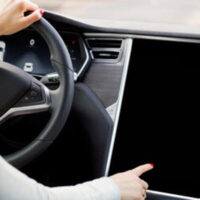
Modern vehicles are more connected than ever. Touchscreen dashboards, GPS navigation, voice assistants, and integrated apps promise convenience, but they also introduce new risks. For drivers across Florida, in-car technology can become a serious source of distraction, and in the context of a crash, it may even serve as evidence of negligence.
After a tech-related collision, legal expertise is in reach. An experienced Port St. Lucie Personal Injury Lawyer can help secure evidence, analyze vehicle data, and build a case.
What Counts as Distracted Driving in Florida?
Florida law recognizes several forms of distracted driving, typically grouped into three categories: visual (taking your eyes off the road), manual (taking your hands off the wheel), and cognitive (taking your mind off driving). In-car technology can trigger all three.
While Florida’s texting-and-driving law specifically targets handheld device use, that does not mean built-in vehicle systems are risk-free. If interacting with in-car technology interferes with safe driving, it can still form the basis of a negligence claim after an accident.
Today’s vehicles often include features that demand significant driver attention:
- Touchscreen infotainment systems
- Built-in GPS navigation with real-time updates
- Apple CarPlay or Android Auto integrations
- Voice-controlled assistants
- Digital dashboards and entertainment controls
Even a brief glance to adjust navigation or scroll through music options can take a driver’s eyes off the road long enough to cause a collision, especially in high-traffic areas.
When Does Tech Use Become Legal Evidence?
Not every use of in-car technology will automatically qualify as distracted driving in a legal sense. The key issue is whether the driver’s actions were unreasonable under the circumstances and contributed to the crash.
There are several situations where in-car tech use may rise to the level of provable negligence. For example, if a driver spends several seconds navigating menus, typing destinations, or adjusting settings, this can demonstrate visual and manual distraction. Also, there may be dashcams, surveillance footage, or eyewitness testimony that confirm that a driver was not paying full attention due to in-car technology use.
This type of evidence is becoming increasingly important in Florida personal injury cases, particularly as vehicles grow more technologically complex.
If in-car technology contributed to a crash, it can significantly impact liability. Proving that a driver was distracted strengthens an injured party’s claim for compensation, including medical expenses, lost wages, and pain and suffering.
However, these cases often require a detailed investigation. Insurance companies may attempt to downplay the role of technology or argue that its use was minimal or unrelated to the crash.
If you’ve been injured in a Florida accident and suspect in-car technology played a role, documenting the incident and seeking legal guidance from a Port St. Lucie Personal Injury Lawyer early is critical.
What in-car technology do you believe led to distracted driving? Understanding when that distraction crosses the line into negligence is key to protecting your rights and pursuing a fair recovery after an accident. After sustaining an injury in Port St. Lucie, Fort Pierce, Stuart, or Vero Beach, have a conversation with the attorneys at Leifer & Ramirez. Call 561-660-9421 to book a confidential consultation.