What Evidence Matters Most After an Intersection Collision?
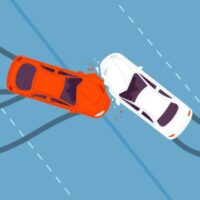
Intersections are common locations for car accidents. With multiple lanes of traffic, turning vehicles, pedestrians, and traffic signals all converging in one place, it only takes a moment of misjudgment for a crash to occur. When an intersection collision leads to injuries, the evidence gathered afterward plays a critical role in determining fault and securing compensation.
Because intersection accidents frequently involve disputes about right-of-way or traffic signals, strong evidence is essential. A seasoned Port St. Lucie Personal Injury Lawyer can help gather documentation, preserve available evidence, and work with investigators.
Police Reports, Visual Evidence, and Witness Statements
One of the first pieces of evidence generated after a crash is the police accident report. When law enforcement responds to an intersection collision, officers typically document the location of the crash, the vehicles involved, and any citations issued at the scene.
Often, the report may also include the officer’s observations about factors such as traffic signals, road conditions, and visible damage to the vehicles. While a police report does not always determine fault on its own, it often provides an important starting point for insurance companies and attorneys evaluating the case.
Visual evidence can be extremely powerful after an intersection accident, too. Photographs taken at the scene can capture details that may otherwise be forgotten or disputed later. Images of vehicle damage, skid marks, traffic lights, lane markings, and the position of the vehicles can help reconstruct what happened in the moments leading up to the collision.
In many modern cases, video evidence plays an even larger role. Traffic cameras, nearby security cameras, and dashcams can sometimes capture the collision itself or the events immediately before it. Video footage showing a driver making an unsafe turn can provide compelling support for an injury claim.
Independent witnesses provide valuable perspectives following an intersection crash as well. Unlike drivers involved in the collision, witnesses typically have no financial stake in the outcome of the case. Their statements about what they saw, such as which driver entered the intersection first or whether a traffic signal was red, can help clarify conflicting accounts.
Treatment Documentation and Building a Strong Claim
Evidence related to injuries is just as important as evidence showing how the crash occurred. Medical records, diagnostic tests, treatment plans, and physician notes all help demonstrate the extent of the injuries caused by the collision.
These records can establish a clear link between the accident and the physical harm suffered, which is essential when pursuing compensation for medical bills, lost income, and other damages.
For recovering individuals, having the right evidence in place can make an important difference in pursuing the compensation they may need to move forward. Connecting with a skilled Port St. Lucie Personal Injury Lawyer who understands what types of evidence carry the most weight can make a significant difference in the outcome of a claim.
Curious about what documentation you need? After an accident in Port St. Lucie, Fort Pierce, Stuart, or Vero Beach, have a conversation with the attorneys at Leifer & Ramirez. Call 561-660-9421 to book a confidential consultation.