Hidden Hazards: When Building Defects Lead to Injury
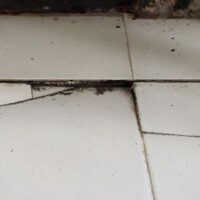
Associating slip and fall accidents with spilled liquids or recently mopped floors is common. Yet some of the most dangerous risks inside homes, stores, and office buildings come from less noticeable structural problems. Uneven flooring, poorly maintained walkways, and construction defects can create hidden hazards that lead to serious injuries.
Unsafe conditions raise important questions about property safety and legal responsibility. Hidden hazards may not always be obvious, but when property conditions lead to preventable injuries, understanding your legal options and talking to a Port St. Lucie Personal Injury Lawyer is important.
Construction Defects, Structural Issues, and Other Risks
Flooring should provide a stable and predictable surface for people walking through a property. When surfaces become uneven due to wear, poor installation, or structural shifting, the change in elevation can create a tripping hazard.
Examples of uneven flooring hazards include raised tiles, warped wood flooring, loose carpeting, or areas where one type of flooring transitions abruptly into another. Even small height differences can catch a person’s foot unexpectedly, particularly in areas with heavy foot traffic.
In some cases, flooring hazards result from underlying construction or design problems. Improper installation of flooring materials, inadequate support beneath the floor, or poor drainage that allows moisture to damage surfaces can all contribute to dangerous conditions.
Over time, structural settling can also cause floors to shift or slope. In commercial spaces such as restaurants, retail stores, or apartment buildings, high traffic levels can accelerate wear and increase the likelihood that small defects grow into more serious hazards.
When someone trips on uneven flooring or a structural defect, the resulting fall can cause a wide range of injuries. Fractured wrists, broken hips, and head injuries are common outcomes of sudden falls. Soft tissue injuries, such as torn ligaments or back injuries, can occur when a person tries to catch themselves during the fall as well.
injuries may not appear severe immediately but can worsen over time. Medical treatment, rehabilitation, and time away from work can place a substantial burden on injured individuals and their families.
Property owners and managers generally have a responsibility to maintain reasonably safe conditions for visitors. This includes identifying and repairing hazards that could cause foreseeable injuries.
Regular inspections, prompt repairs, and proper maintenance are key in preventing flooring-related accidents. When uneven flooring or structural defects are left unaddressed for extended periods, questions may arise about whether the property was maintained appropriately.
Documenting the Hazard After an Injury
If a fall occurs due to a building defect, documenting the condition is essential. Photographs of the area, incident reports, witness statements, and medical records all help establish what happened and how the hazard contributed to the injury.
An experienced Port St. Lucie Personal Injury Lawyer can help investigate the circumstances of a fall, identify potential maintenance or construction issues, and gather the evidence needed to strengthen a claim.
Is compensation in reach for you? Share the details of your Port St. Lucie, Fort Pierce, Stuart, or Vero Beach injury with the attorneys at Leifer & Ramirez. Call 561-660-9421 to book a confidential consultation.