Why Rear-End Collisions Are Not Automatically the Rear Driver’s Fault
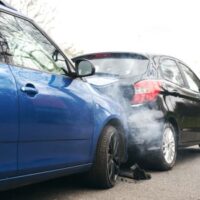
Rear-end collisions are common, and there’s a widespread assumption that the driver in the back is always to blame. While it’s true rear drivers are often at fault, there are exceptions. If you’ve been involved in a rear-end accident, take a closer look at the facts and seek informed legal guidance from a Port St. Lucie Personal Injury Lawyer.
The Presumption of Fault (and Its Limits)
Florida law generally starts with a rebuttable presumption that the rear driver was negligent. This is based on the idea that drivers should maintain a safe following distance and be prepared to stop. Yet the presumption can be challenged with evidence showing the lead driver acted negligently or unpredictably.
Below are four situations where the front driver’s actions may shift or share liability:
- Sudden and unnecessary stops. If a driver slams on their brakes without a valid reason, this can create a dangerous situation that even a cautious rear driver may not be able to avoid.
Example: A driver abruptly stops to make an unplanned turn after missing a street. The rear driver, traveling at a reasonable speed and distance, cannot stop in time and a collision occurs. In this case, the lead driver’s sudden, unjustified stop may be considered negligent.
- Malfunctioning brake lights. Drivers rely on brake lights to anticipate stops. If those lights are not functioning, the rear driver may not have adequate warning.
Example: A vehicle with broken brake lights slows at an intersection at night. The rear driver, unaware of the deceleration, collides with the vehicle. Fault may shift to the lead driver for failing to maintain proper equipment.
- Unsafe lane changes. When a driver cuts into another lane without sufficient space and then slows down, it can create an unavoidable rear-end scenario.
Example: A car merges aggressively into traffic and immediately brakes due to congestion ahead. The driver behind has little time to react, potentially shifting liability to the merging driver.
- Reversing into another vehicle. Not all rear-end collisions involve forward movement. If a lead driver reverses unexpectedly, they may be responsible.
Example: In a parking lot, a driver backs out suddenly without checking surroundings and strikes a vehicle behind them. Despite the positioning, the reversing driver may be at fault.
Evidence Matters and Legal Guidance Is Important
Determining fault in a rear-end collision depends heavily on evidence. Police reports, witness statements, traffic camera footage, and vehicle damage patterns all play a role. In more complex cases, accident reconstruction experts may be used to analyze how the crash occurred.
Insurance companies often default to blaming the rear driver to simplify claims. An experienced Port St. Lucie Personal Injury Lawyer can investigate the circumstances, challenge assumptions, and build a case that accurately assigns fault.
Where were you driving when a rear-end collision occurred? After an accident in Port St. Lucie, Fort Pierce, Stuart, or Vero Beach, connect with the attorneys at Leifer & Ramirez. Sudden stops, equipment failures, and unsafe maneuvers by the lead driver can all shift rear-end accident liability. Call 561-660-9421 to book a confidential consultation.