Do Some Dashcams Work Better Than Others for Legal Claims?
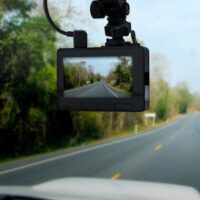
Among the most valuable forms of evidence following a FL car collision is dashcam footage. But not all dashcams are created equal, and understanding the differences between them can directly impact how useful that footage is in a Florida injury claim.
Are There Different Types of Dashcams?
Dashcams vary significantly in design, functionality, and recording quality. The most common types include:
- Front-facing dashcams. These record the road ahead and are the most widely used. They are often sufficient for capturing collisions, traffic signals, and driver behavior in front of the vehicle.
- Dual-facing (front and rear) dashcams. These systems capture both forward and rear views, providing a more comprehensive record of events.
- Interior-facing dashcams. Often used in rideshare or commercial vehicles, these record inside the cabin and can document driver and passenger behavior.
- 360-degree or multi-channel systems. These advanced setups provide coverage around the vehicle, which can be particularly useful in complex accidents involving multiple parties.
In addition to camera placement, technical features also vary. Resolution, frame rate, night vision capability, and storage capacity all affect how clear and reliable the footage will be.
From an evidentiary standpoint, higher-quality dashcams tend to be more effective. Clear, high-resolution footage can capture critical details like license plates, traffic signals, and road conditions. Poor-quality video, on the other hand, may be challenged by insurance companies or opposing counsel as unreliable or inconclusive.
Features like timestamping, GPS tracking, and impact detection can further strengthen a claim. These tools help establish when and where an accident occurred and may automatically preserve footage in the event of a collision.
However, even the best dashcam is only as useful as its data integrity. Footage must be properly stored and preserved to avoid claims of tampering. An experienced injury lawyer can help ensure that digital evidence is collected and presented in a way that meets legal standards.
Do Vehicles Come with Dashcams, or Do Drivers Install Them?
Most vehicles in the United States do not come standard with traditional dashcams, although that is beginning to change. Some newer models include built-in camera systems as part of advanced driver-assistance or security packages.
That said, the majority of drivers who use dashcams purchase and install them independently. Aftermarket dashcams are widely available at various price points, making them an accessible option for individuals who want to document their driving experience.
Professional fleets and rideshare drivers are also more likely to use aftermarket systems, often selecting higher-end models with multiple cameras and enhanced storage capabilities.
While not required, dashcams can be a powerful tool in protecting your legal rights. Whether installed at the factory or added later, the quality and functionality of the device can make a meaningful difference in the strength of your injury claim. Talk to a Port St. Lucie Personal Injury Lawyer about how to access a full and fair financial recovery.
Who is assessing your case? Following a collision injury in Port St. Lucie, Fort Pierce, Stuart, or Vero Beach, discuss what evidence would fortify your claim with the attorneys at Leifer & Ramirez. Call 561-660-9421 to book a confidential consultation.