What Is Telematic Evidence and Why It Matters
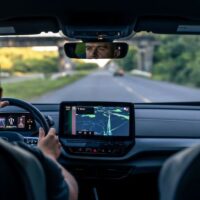
In modern accident investigations, evidence is no longer limited to photographs, witness statements, and police reports. Telematics evidence, data generated and stored by vehicles and digital devices, has become a powerful tool for proving liability after a crash.
To understand what telematics evidence is and how to preserve it, connect with a Port St. Lucie Personal Injury Lawyer. Doing so could be a way to secure recovery funds for medical bills, lost income, and other accident-related expenses.
How Telematics Evidence Helps Prove Liability
Telematics refers to the electronic systems that collect, transmit, and store data about a vehicle’s operation. Many newer vehicles are equipped with event data recorders (EDRs), often referred to as black boxes, which capture information such as speed, braking, throttle position, seatbelt use, and steering input in the moments leading up to and during a collision.
Data can also come from GPS systems, fleet tracking software, rideshare platforms, commercial trucking devices, and even smartphone applications that monitor driving behavior. In some cases, insurance companies use telematics-based programs that track acceleration, braking patterns, and mileage.
Information gathered can confirm or contradict statements made by drivers, witnesses, or insurers. This evidence provides objective, time-stamped data that can clarify how an accident occurred. For example, telematics data may show whether a driver was speeding, failed to brake, or made a sudden lane change just before impact.
In disputes over fault, this digital evidence can be especially persuasive. Unlike subjective accounts, telematics records are difficult to manipulate and can establish responsibility with a high degree of precision.
The Risk of Losing Critical Data
Data is not preserved indefinitely. Some systems overwrite data within days or weeks, while others may be erased when a vehicle is repaired, totaled, or returned to service. In commercial or rideshare accidents, companies may control the data and have little incentive to preserve it without legal pressure. Waiting too long to act can result in the permanent loss of evidence that could have strengthened a claim.
Preservation begins with prompt legal action. A lawyer can send letters to vehicle owners, trucking companies, rideshare platforms, or insurers, formally demanding that telematics data be preserved. These letters put parties on notice of a potential claim and their obligation to retain relevant evidence.
In some cases, court orders or subpoenas may be necessary to secure access to the data. An attorney can also coordinate with accident reconstruction experts who know how to retrieve and interpret telematics information properly.
Telematics evidence can be a decisive factor in proving liability, but only if it is identified and used correctly. A Port St. Lucie Personal Injury Lawyer can protect this digital evidence and integrate it into a broader strategy to hold the at-fault party accountable. Acting quickly can make the difference between a disputed claim and one supported by clear, compelling proof.
Who told you that data could support your recovery? Share the Port St. Lucie, Fort Pierce, Stuart, or Vero Beach accident evidence you have with the attorneys at Leifer & Ramirez. Call 561-660-9421 to schedule a confidential consultation.