
The Science Behind mTBIs After Car Accidents
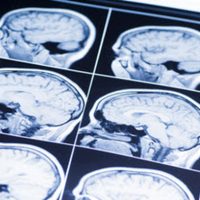
A car accident doesn’t have to leave you unconscious or with a visible head injury to cause a traumatic brain injury. In fact, mild traumatic brain injuries (mTBIs), including concussions, can be some of the most misunderstood injuries after a crash. Someone may walk away from an accident and appear perfectly fine while experiencing significant changes in how their brain functions.
Taking recovery seriously and seeking the support you need is paramount. If another driver’s negligence caused your accident, you may have options for pursuing compensation for losses associated with your injuries. Talk to a Port St. Lucie Personal Injury Lawyer about the value and availability of a claim.
What Happens to the Brain During a Concussion?
A concussion is a type of brain injury caused by a blow or jolt that causes the brain to move rapidly inside the skull. In a car accident, this can happen even when the head doesn’t directly strike the dashboard, window, or another surface.
The sudden movement can temporarily disrupt normal brain function. Symptoms may include:
- Headaches or dizziness
- Problems with balance or coordination
- Sensitivity to light or noise
- Difficulty concentrating
- Memory problems
- Fatigue or changes in sleep
- Irritability or other mood changes
- Nausea or experiencing mental fog
Standard imaging may not show the injury. A CT scan or MRI can be useful for identifying certain serious problems, but a normal scan does not necessarily mean that the brain has returned to normal functioning. That can be frustrating for someone who knows they don’t feel like themselves after a crash.
How Can I Move Forward When Symptoms Don’t Go Away?
For many people, concussion symptoms improve over time. But some continue for weeks or longer. When symptoms persist, a person may be experiencing post-concussion syndrome (PCS).
Post-concussion symptoms can interfere with everyday life in ways that aren’t always obvious to other people. Someone may struggle to concentrate at work, forget appointments, become overwhelmed by noise, or need significantly more rest than before the accident.
Cognitive deficits can be particularly difficult. Problems with attention, processing information, memory, or executive functioning can affect a person’s ability to perform tasks they previously handled without difficulty.
While it can be tempting to focus immediately on everything that needs to be handled after a car crash, from repairing the vehicle to dealing with insurance companies, the reality is your health should come first. Give yourself the time and space you need to recover. Keep track of symptoms and communicate changes to your healthcare providers.
If symptoms continue, don’t simply assume that you need to push through the discomfort. Recovery can take time, and appropriate medical care may involve different professionals depending on the individual’s symptoms and needs. Legal support from a Port St. Lucie Personal Injury Lawyer is helpful as well.
How are you coping after a concussion? Receiving the financial support you may be entitled to after accidents in Port St. Lucie, Fort Pierce, Stuart, or Vero Beach is key. Connect with the attorneys at Leifer & Ramirez to review the legal and financial aspects of your situation. Reach out for a free case review. Call 561-660-9421.


